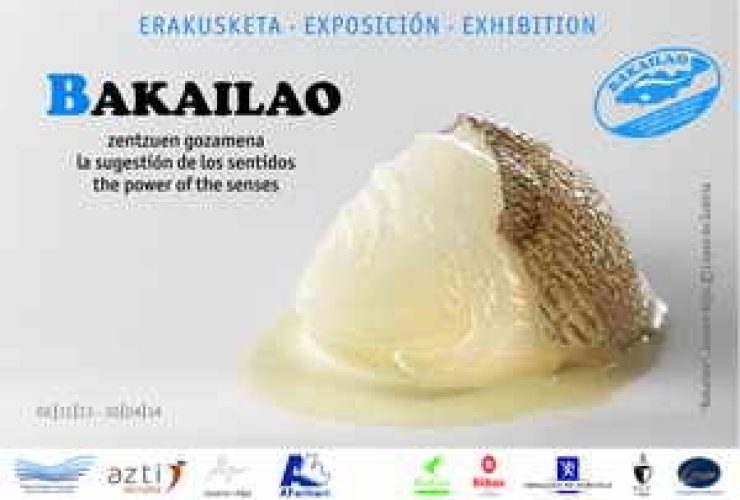
Science in the kitchen: Senses to revive
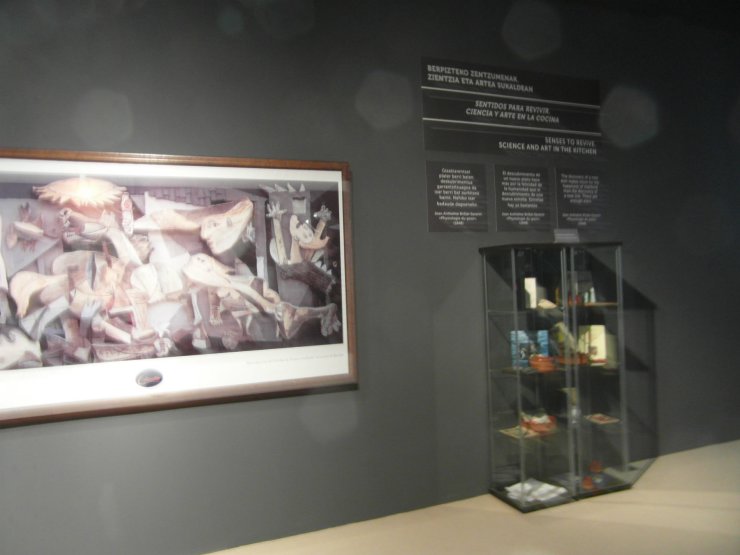
The phrase: The discovery of a new dish makes more for the happiness of mankind than the discovery of a new star. Stars there are longer enough. «
Physiologie du goût», by Jean Anthelme Brillat-Savarin (1848)
Background sound: original music from Aritz Villodas to be played on loop. Zortziko.
AREA 1 COD AND HEALTH
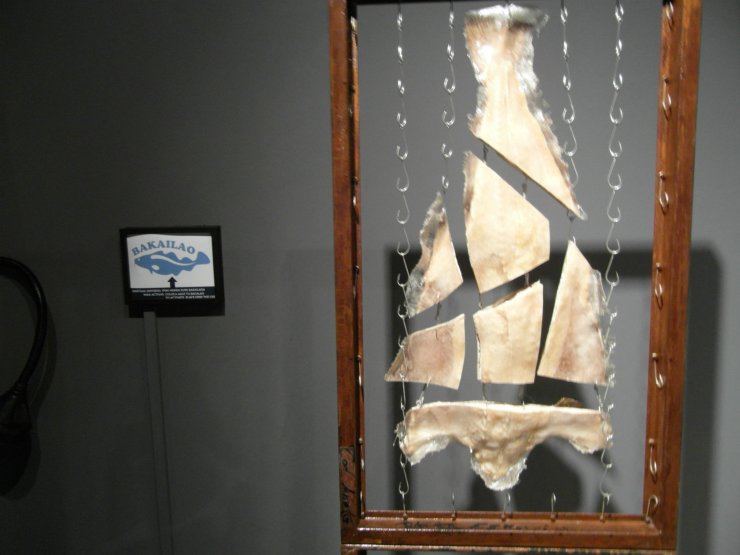
1. The purchase: Formats for sale cod. And in other places. In bulk, fresh, salted, canned or frozen. Labels give information. They present information considered relevant to consumers when purchasing a product. Languages in which it appears.
Expository Items: Produce sensations of moisture and temperature changes: Offshore water, blizzard, the ship when it freezes, salting, in full sun, the kitchen fire, the pilpil.
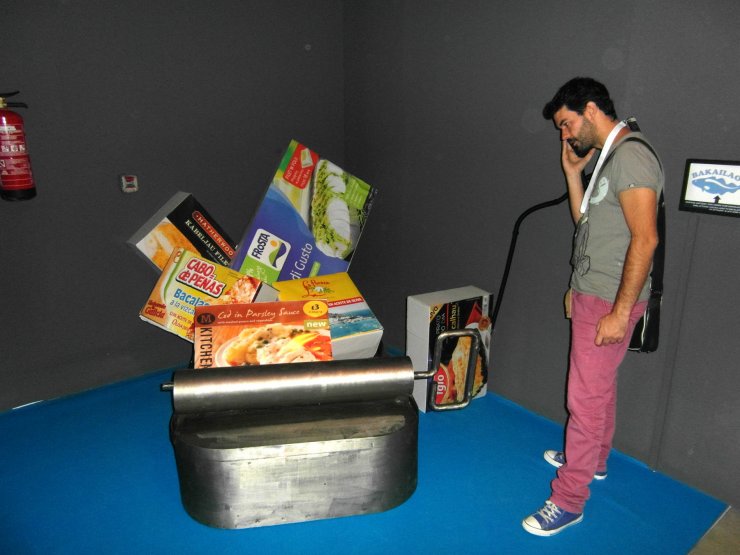
2. The preservation: Innovation in packaging, preserving and presenting ways.
Expository Items: Installation a lot fictitious packaging with a trompe l’oeil with a picture in relief and other containers projected.
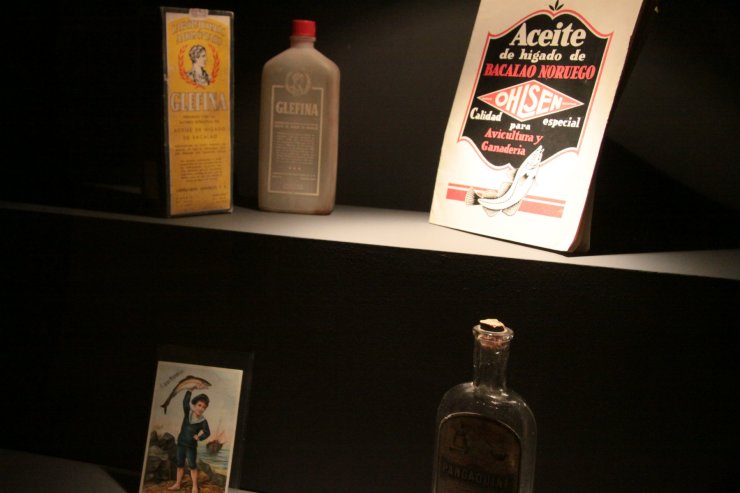
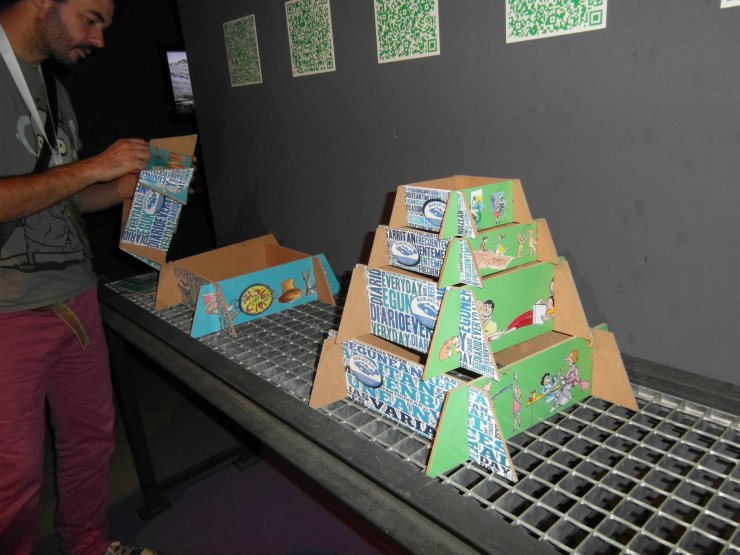
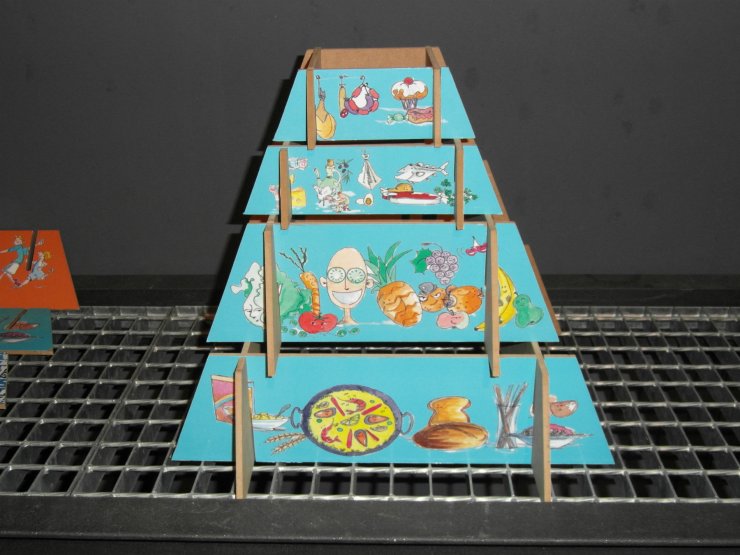
3 Feeding: Protein, quality and attribute, oil … qualities and characteristics. Food pyramid: what is the frequency and quantity to be consumed for each food.
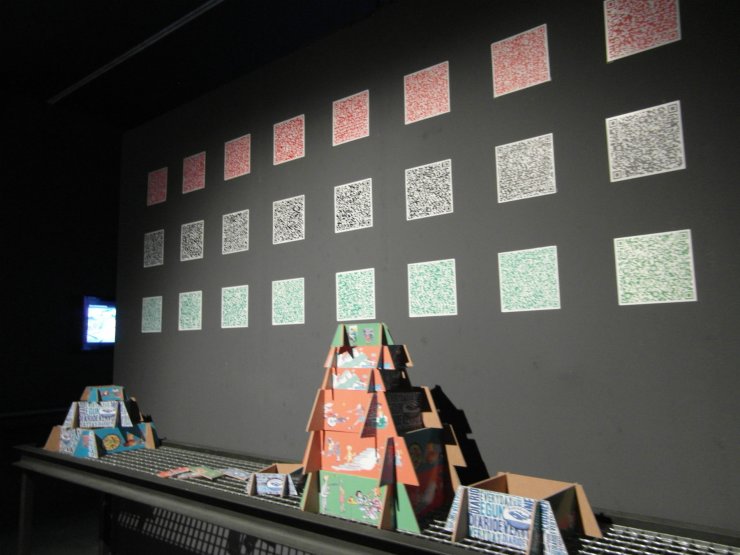
Expository Items: the food pyramid with wooden blocks so that they construct, and has, in addition to physical food, food bodily, emotional and intellectual frequencies: daily, 1 time a week, every then, very sparingly:
– Several times a day: walking, walking the dog, cycling, climbing stairs, whole grains, olive oil, fruits and vegetables, laughing, loving, communicating, relating…
– Every day: read, dream, play, team sport, low-fat dairy, and eat fruit
– A week: climb the mountain, run, swim, eat fish, meat, eggs, vegetables, and chat with your family, meet with friends, watch movies,
– Occasionally or moderately: the PlayStation, sweets and confectionery industry, eating sausages,
– Never: get angry
AREA 2 TIME TO EAT
1. Feeding rhythms We will release the cultural space occupied by the feeding in the three areas in which the human collective is articulated in Euskalerria: rural, urban and fisheries, according to «Barandiarán Ethnographic Atlas». We will need a similar anthropological study for Finnmark and Stavanger.
We will deal with time from a gastronomic point of view, equating it with physics or philosophy, and place gastronomy within the human sciences. Any significant event in human life, every rite of passage, seasonal change, or the change of year is characterised by an exceptional food ritual, held in shared meals with a wide circle of participants and sometimes with gifts. Noting the diversity of anthropological, historical and social perceptions and uses of time; noting the difference between the time of consumption of food and the time of its preparation; cultures without clock time and time-hyperpunctual cultures; time civilisations that believe in more than one time.
Expository Items: «Gauge times» to leave evidence of how the left brain and the right side. The relativity of time, the importance of lowering the rate of acceleration …
2. The times in the kitchen: It transforms the food hurry in pause, able to play an essential role in the use of time, splitter and transition. The pleasure of fine cuisine is for all ages, all conditions, all countries and every day, which can be associated with all other pleasures.
Freedom of choice in the use of time: The time spent feeding is expanding as rising living standards and technology increase, giving power gradually into the schedule to the activity less directly «material «in the gastronomical enjoyment. How long does it take (or how long any) in the production, supply and storage of food, and how much time to the acquisition and transfer of technology and knowledge about the food?
If we look to the 19th century, the structure of domestic time depended mainly on the duration and combination of tasks, and the history of time is developed from the work history and technology. In the XXI century, things have changed. And more time spent preparing and tasting carries a higher weight balance.
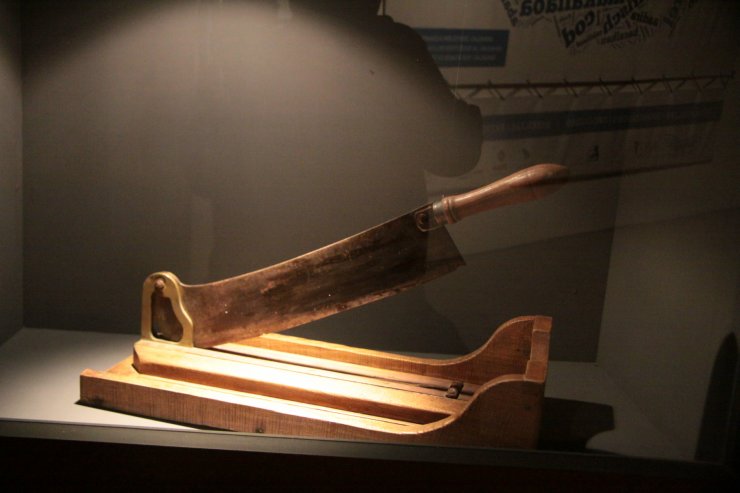
Expository Items: The book «Physiologie du goût» by Jean Anthelme Brillat-Savarin outlined the principles of the current state of avant-garde cuisine. We will place copies of cookbooks that have set the trend, from Savarin (1848) to Ferran Adria and Josean Alija, in a special case.
AREA 3 SCIENCE IN THE KITCHEN
1. The creative process: is the type of creativity that is set on something and improvement. Most of the changes result from many small, innovative steps. This kind of creativity is the prevailing; there are very few «Eureka». An example is the innovative cuisine resulting from research into the virtues and qualities of foods and from finding new ways to seduce and suggest to guests. A research process that leads to inspiration and gives way to the implementation, control and rigour.
Expository Items: Video of ‘Josean Alija’ explaining the phases in the creative process in the kitchen.
2. Differences between the gastronomy and the avant-garde cuisine: The product is processed, dried, it heals, moved, desalted, cooked… and a creative researcher breaks the paradigm to find new ways to extract the virtues of food. From there … CREATION
Expository Items: LED panel with colourful sauces. Our 4 colours: Basque, the pilpil, zurrukutune, txipis, and the colours of other sauces.
3. Organolepsia: The skin, the crunchiness, the crispness, the fragrances, the textures, the pilpil … Store food in anticipation of the future, transform certain grocery products to make or extend its virtues, cooking food to improve its organoleptic qualities are activities that occur in all cultures, but the techniques become more sophisticated with the advancement of knowledge and science.
Expository Items: Game fattening sauces
AREA 4 THE TRICK: SUGGESTION OF THE SENSES
1. FINAL CLOSING pil-pil and other elements that go into the dish: olive oil, garlic, chilli … origin, smells, textures, colours… It is not cod, it is an onion
Expository Items: Video end: SKIN